What Is the Keto Diet
The ketogenic diet is a low-carbohydrate, high-fat eating plan designed to encourage the body to burn fat for energy. Under normal circumstances, carbohydrates are broken down into glucose, which serves as the body's main source of fuel. When carbohydrate intake is significantly reduced, the liver begins converting fat into molecules called ketones.
These ketones provide energy for the brain, muscles, and organs. As a result, the body becomes highly efficient at utilizing stored fat reserves.
The standard ketogenic diet generally includes:
- Healthy fats making up approximately 70-80% of daily calories;
- Moderate amounts of protein;
- Very low carbohydrate intake;
- Whole and minimally processed foods;
- Adequate hydration throughout the day;
"The keto diet is not simply about eating more fat. It is about teaching the body to use a different fuel source efficiently."
As ketosis develops, many individuals report reduced hunger and more stable energy levels compared to traditional high-carbohydrate eating patterns.
Many beginners assume keto means eating unlimited amounts of bacon and cheese. In reality, a successful ketogenic diet is built around balance and food quality. Choosing nutrient-dense ingredients often produces better results than focusing solely on macronutrient numbers. Fresh vegetables, quality proteins, healthy oils, and proper meal planning can make the difference between temporary success and a sustainable lifestyle.
People who prepare meals ahead of time often find it easier to stay within their carbohydrate goals. Keeping keto-friendly snacks available can also help avoid impulsive food choices when hunger strikes unexpectedly.
How Ketosis Works
Ketosis is the foundation of the ketogenic diet. It occurs when the body no longer has sufficient carbohydrates available to produce glucose in large quantities.
Instead, several physiological changes begin to take place:
- Carbohydrate stores become depleted;
- Insulin levels decrease;
- Fat breakdown accelerates;
- The liver produces ketones;
- Ketones become a primary energy source;
This process typically takes several days depending on a person's metabolism, activity level, and previous eating habits.
Many people experience a transitional phase often referred to as the "keto flu." During this period, temporary symptoms may appear as the body adapts to its new energy system.
Common symptoms include:
- Fatigue;
- Mild headaches;
- Irritability;
- Muscle weakness;
- Increased thirst;
Fortunately, these effects are usually temporary and often improve with proper hydration and electrolyte intake.
During the first week, it can be helpful to avoid overly restrictive calorie intake. The body is already adapting to a major metabolic change, and excessive calorie reduction may make the transition more difficult. Drinking enough water throughout the day is especially important because glycogen depletion causes the body to release stored water.
Many experienced keto followers also pay close attention to sodium, potassium, and magnesium intake. Foods such as avocados, leafy greens, and mineral-rich broths can support overall comfort during adaptation. While everyone responds differently, understanding that the adjustment period is temporary often helps people remain committed.
Benefits of the Keto Diet
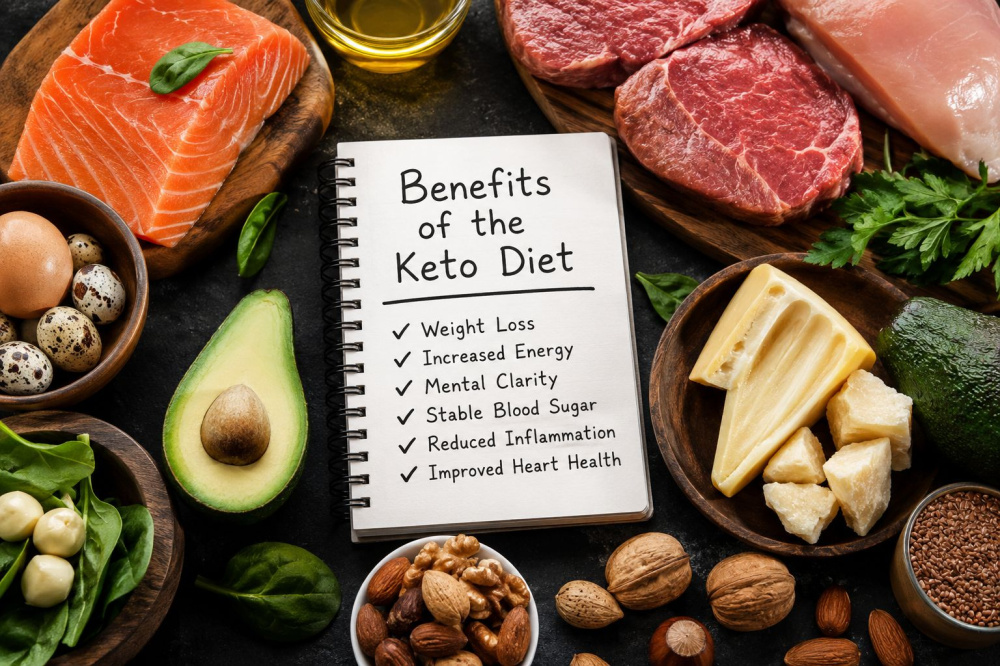
The popularity of the keto diet is largely driven by its potential benefits. While individual experiences vary, many people find the approach effective and sustainable.
Beyond weight loss, keto has become popular among individuals looking to simplify their eating habits. Instead of constantly managing hunger and cravings, many discover a more predictable relationship with food. This can make daily decision-making easier and reduce the mental energy often spent thinking about meals.
Weight Loss Support
One of the primary reasons people choose keto is weight management. The combination of fat-burning and appetite control can create favorable conditions for gradual weight loss.
Several factors contribute to this effect:
- Reduced hunger signals;
- Lower insulin levels;
- Increased fat utilization;
- Fewer blood sugar fluctuations;
- Greater feeling of fullness after meals;
Imagine waking up in the morning without immediate cravings for sugary foods. Instead of battling hunger every few hours, many keto followers experience a calmer relationship with food.
Weight loss success often depends on consistency rather than perfection. Small daily improvements accumulate over time. Individuals who focus on whole foods rather than highly processed keto products frequently report better results. Tracking progress with measurements, photographs, and energy levels can be more motivating than relying solely on the number displayed on a scale.
Stable Energy Levels
High-carbohydrate meals often create cycles of energy spikes and crashes. Ketones provide a more consistent energy source, which may help some people maintain focus throughout the day.
Workers, entrepreneurs, and students frequently report improved productivity after adapting to ketosis.
"Many keto followers describe their energy as steady and predictable rather than explosive and short-lived."
The transition period may require patience, but many people consider the long-term benefits worthwhile.
One reason for this stability is the reduced fluctuation in blood sugar levels. Instead of experiencing dramatic highs followed by sudden fatigue, many individuals describe a smoother flow of energy from morning until evening. This can be particularly valuable during demanding workdays or periods requiring prolonged concentration.
Maintaining regular sleep patterns may further enhance these benefits. Adequate rest supports hormone regulation and overall metabolic health, helping the body function more efficiently.
Better Appetite Control
The keto diet naturally includes foods rich in fats and proteins, both of which tend to be highly satisfying.
This can help reduce:
- Frequent snacking;
- Sugar cravings;
- Emotional eating episodes;
- Late-night food consumption;
- Excessive calorie intake;
As a result, maintaining dietary consistency often becomes easier.
Many people notice that they can comfortably go longer between meals without feeling deprived. This effect often creates a sense of freedom compared to diets that require constant eating. Rather than fighting hunger throughout the day, individuals frequently feel satisfied after nutrient-dense meals.
Creating meals that include healthy fats, quality protein, and low-carb vegetables can further support appetite regulation and meal satisfaction.
Foods Allowed on Keto
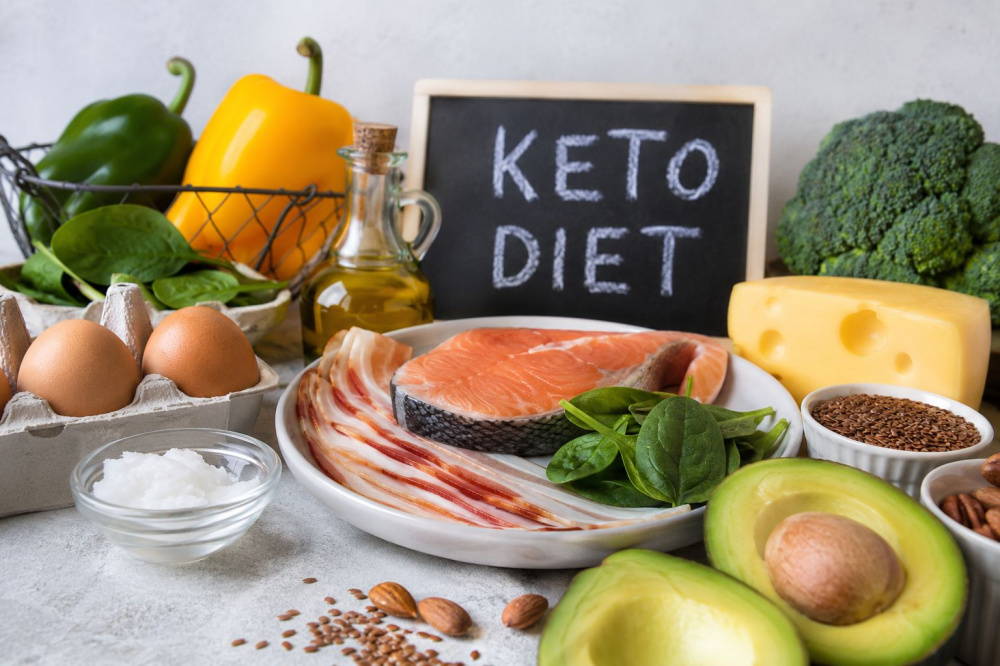
A successful ketogenic diet depends on selecting appropriate foods while minimizing carbohydrate consumption.
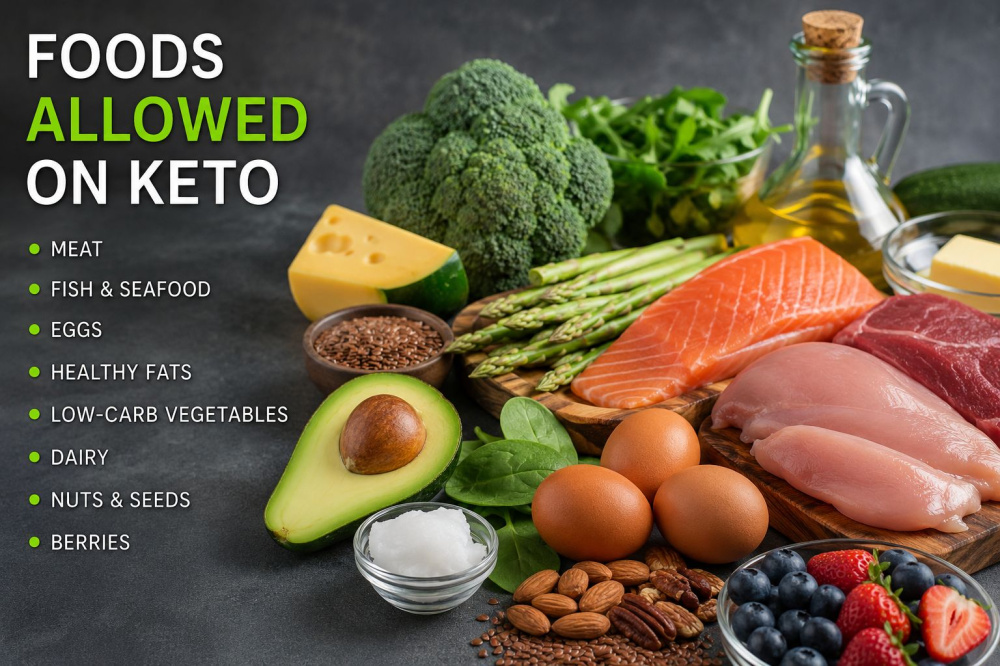
Building a diverse menu is one of the best ways to maintain long-term adherence. Eating the same foods repeatedly can become monotonous, while experimenting with new ingredients and recipes keeps meals enjoyable and interesting.
Healthy Fat Sources
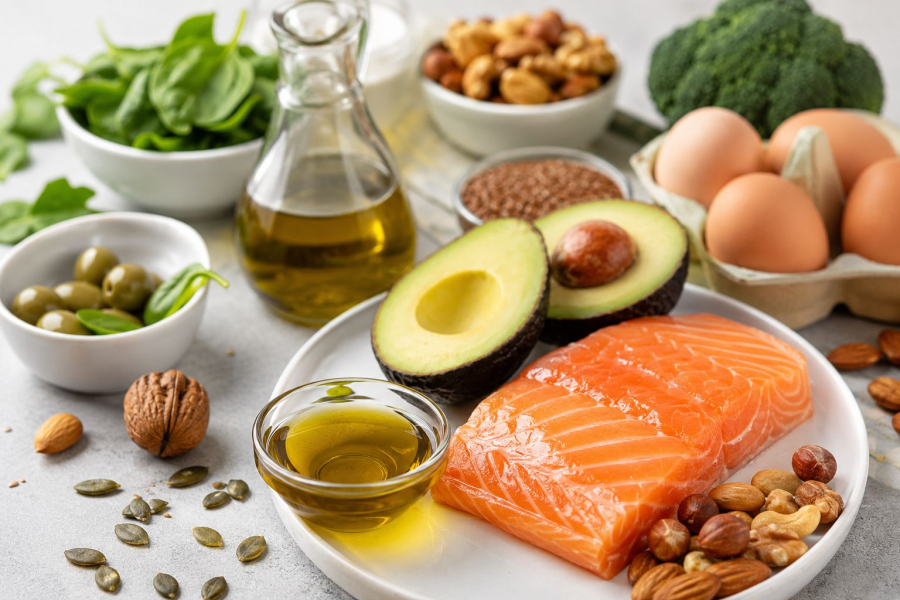
Fats form the foundation of keto nutrition.
Recommended options include:
- Avocados;
- Olive oil;
- Coconut oil;
- Butter;
- Ghee;
- Nuts;
- Seeds;
These foods provide energy and contribute to long-lasting satiety.
Whenever possible, prioritize minimally processed fat sources. Extra virgin olive oil, avocados, and nuts provide not only energy but also valuable nutrients. Rotating different fat sources can help create a more balanced nutritional profile while adding variety to meals.
Protein Sources
Protein remains important for maintaining muscle tissue and supporting overall health.
Suitable choices include:
- Beef;
- Chicken;
- Turkey;
- Eggs;
- Salmon;
- Tuna;
- Sardines;
- Shrimp;
The goal is moderation rather than excessive protein intake.
Choosing high-quality protein sources can enhance both nutrition and flavor. Fatty fish such as salmon provide beneficial omega-3 fatty acids, while eggs offer exceptional versatility. Simple cooking methods often preserve taste and nutritional value while reducing unnecessary ingredients.
Low-Carb Vegetables
Vegetables provide essential vitamins, minerals, and fiber.
Popular keto-friendly vegetables include:
- Spinach;
- Broccoli;
- Cauliflower;
- Zucchini;
- Cucumber;
- Lettuce;
- Cabbage;
- Asparagus;
These colorful vegetables bring freshness and variety to daily meals.
Many people underestimate the importance of vegetables on keto. They provide texture, flavor, and nutritional support while helping meals feel more complete. Roasting vegetables with olive oil or incorporating them into soups and salads can make healthy eating more enjoyable.
Foods to Avoid
Certain foods contain too many carbohydrates and can interfere with ketosis.
The following items are usually limited or eliminated:
- Bread;
- Pasta;
- Rice;
- Potatoes;
- Candy;
- Soft drinks;
- Cakes;
- Cookies;
- Sugary cereals;
- Most fruit juices;
Even foods marketed as "healthy" can contain significant amounts of hidden sugars.
Learning what to avoid often takes time. Many products that appear nutritious at first glance may contain surprising amounts of sugar, starch, or refined carbohydrates. Becoming familiar with ingredient lists can significantly improve dietary awareness.
Learn the science behind time-restricted eating and why the 6 PM rule has become so popular among people focused on wellness and healthy living. Read more here: 16/8 intermittent fasting for weight loss
Hidden Sources of Carbohydrates
Many beginners are surprised to discover carbohydrates in unexpected places.
Examples include:
- Sweetened yogurt;
- Commercial sauces;
- Salad dressings;
- Protein bars;
- Flavored coffee drinks;
Carefully reading nutrition labels becomes an important habit.
Restaurant meals may also contain hidden carbohydrates due to sauces, marinades, and seasoning blends. Asking questions about ingredients and requesting modifications when dining out can help maintain consistency without sacrificing social experiences.
Sample Keto Meal Plan
A well-structured menu can make the ketogenic lifestyle much easier.
| Meal | Example |
|---|---|
| Breakfast | Scrambled eggs with avocado and cheese |
| Lunch | Grilled chicken salad with olive oil dressing |
| Snack | Almonds and walnuts |
| Dinner | Salmon with roasted broccoli and butter |
| Dessert | Sugar-free keto cheesecake |
Meals can be customized according to personal preferences and dietary needs.
"Consistency matters more than perfection. Small daily choices often produce the greatest long-term results."
Over time, meal planning becomes more intuitive and less restrictive.
Preparing ingredients in advance can save considerable time during busy weekdays. Cooking larger portions and storing leftovers often reduces stress and makes healthy eating more convenient. Many successful keto followers dedicate a small amount of time each week to planning meals, shopping, and food preparation.
As confidence grows, creating personalized meal combinations becomes second nature. This makes the diet feel less like a temporary program and more like a sustainable lifestyle.