- Why healthy eating trends are changing in 2026
- What a balanced diet looks like today
- Superfoods that dominate nutrition in 2026
- High protein diets for weight loss and muscle health
- Plant based eating and its growing popularity
- How meal timing affects metabolism
- The role of hydration in healthy eating
- Common mistakes in modern diets
- How to build a sustainable meal plan
- Healthy snacks that support weight control
- How technology is influencing nutrition
- Future of food and nutrition
- Conclusion healthy eating in 2026
- FAQ
Why healthy eating trends are changing in 2026
In 2026, healthy eating is no longer about strict diets or temporary restrictions. It has evolved into a long-term lifestyle focused on balance, sustainability, and personalization. People are moving away from extreme approaches and embracing flexible nutrition plans that fit their daily routines.
Technology plays a major role in this shift. From mobile apps to AI-driven nutrition tracking, individuals now have access to tools that help them understand their eating habits in real time. This makes it easier to adjust diets based on personal goals such as weight loss, muscle gain, or overall health.
Another key factor is awareness. Consumers are more informed about ingredients, food quality, and the impact of nutrition on mental and physical health. This has led to increased demand for natural, minimally processed foods.
“Healthy eating in 2026 is not about perfection — it is about consistency and smart choices.”
As a result, modern diets are becoming more realistic and easier to maintain long term.
What a balanced diet looks like today
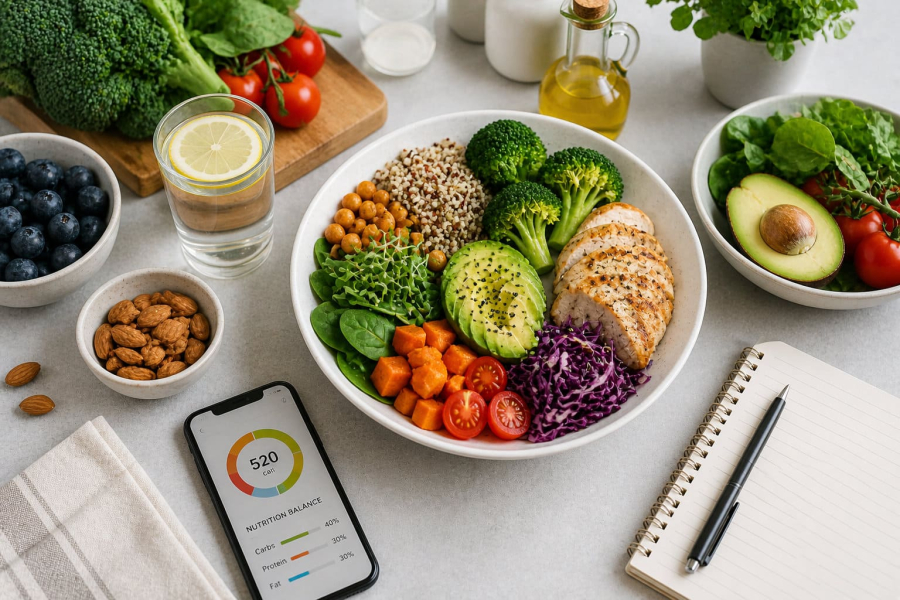
A balanced diet in 2026 focuses on providing the body with all essential nutrients without unnecessary restrictions. The goal is to maintain energy levels, support metabolism, and promote overall well-being.
The foundation of any healthy diet includes a combination of proteins, fats, and carbohydrates. Each of these plays a critical role in how the body functions.
Proteins support muscle repair, fats regulate hormones, and carbohydrates provide energy. Eliminating any of these can lead to imbalances and health issues.
Key components of a balanced diet
-
lean proteins such as chicken, fish, and eggs
-
healthy fats from nuts, seeds, and oils
-
complex carbohydrates like whole grains
-
fruits and vegetables rich in vitamins
This approach ensures the body receives everything it needs to function efficiently.
Superfoods that dominate nutrition in 2026
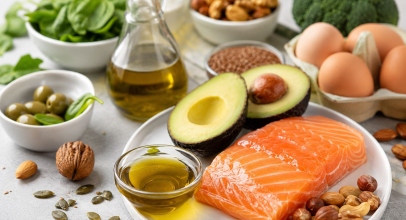
Superfoods continue to gain popularity due to their high nutritional value. In 2026, they are widely used to boost health and support weight management.
These foods are rich in antioxidants, vitamins, and minerals that contribute to better immunity and overall wellness.
While superfoods are not a magic solution, they can significantly improve diet quality when included regularly.
Top superfoods in 2026
-
blueberries and berries
-
avocado
-
quinoa
-
salmon
-
leafy greens
Incorporating these foods into daily meals can enhance nutritional intake without adding excessive calories.
High protein diets for weight loss and muscle health
High-protein diets remain one of the most effective strategies for weight loss in 2026. Protein helps control appetite and supports muscle maintenance.
When people consume more protein, they tend to feel full longer, which reduces overall calorie intake. This makes it easier to maintain a calorie deficit without feeling deprived.
Protein is also essential for those who exercise regularly. It helps repair and build muscle tissue, improving overall body composition.
Best protein sources
-
lean meat and poultry
-
fish and seafood
-
eggs
-
plant-based proteins like beans and lentils
This makes protein a cornerstone of modern nutrition strategies.
Plant based eating and its growing popularity
Plant-based diets are becoming more common in 2026. Many people are choosing to reduce or eliminate animal products for health, environmental, and ethical reasons.
These diets focus on whole plant foods such as vegetables, fruits, legumes, and grains. They are often lower in calories and higher in fiber.
However, it is important to maintain balance. Proper planning is required to ensure all essential nutrients are included.
Benefits of plant-based diets
-
improved digestion
-
lower calorie intake
-
reduced risk of chronic diseases
-
higher intake of vitamins and minerals
This trend is expected to continue growing in the coming years.
How meal timing affects metabolism
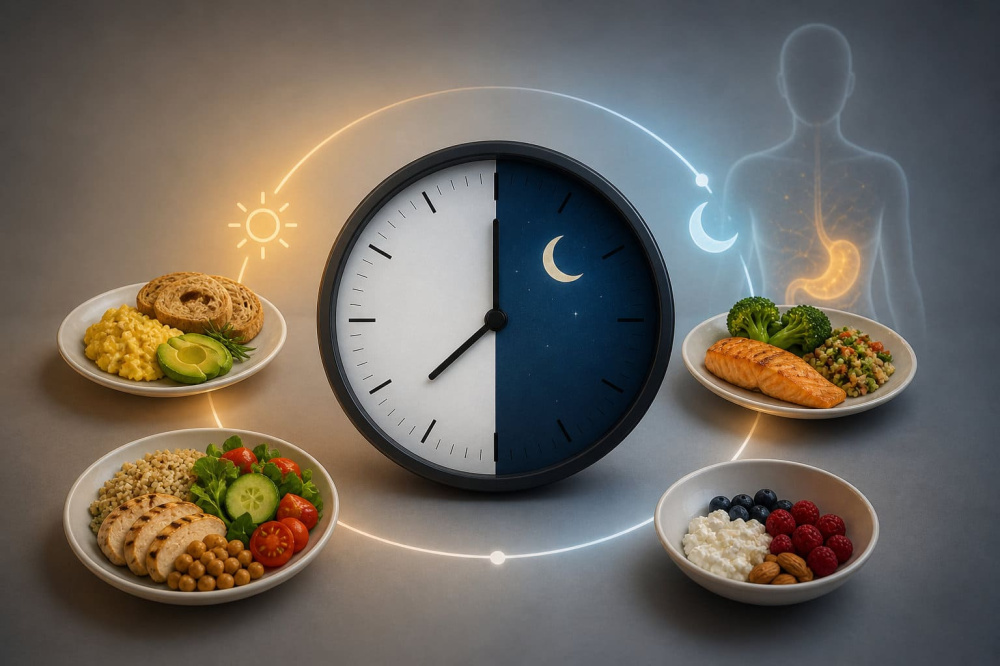
Meal timing is becoming an important topic in nutrition. In 2026, many people are experimenting with when they eat, not just what they eat. Intermittent fasting is one of the most popular approaches. It involves eating within a specific time window and fasting for the rest of the day. Many people are now exploring intermittent fasting as an effective way to manage weight and improve metabolic health when done correctly.
Intermittent fasting is one of the most popular approaches. It involves eating within a specific time window and fasting for the rest of the day.
This method can help regulate calorie intake and improve metabolic health.
Popular meal timing strategies
-
16 8 fasting method
-
three meals per day
-
smaller frequent meals
-
time restricted eating
Each approach works differently depending on individual preferences and lifestyle.
The role of hydration in healthy eating
Hydration is often overlooked, but it plays a crucial role in nutrition. In 2026, people are more aware of how water intake affects overall health.
Drinking enough water helps regulate body temperature, improve digestion, and support metabolism. It can also reduce unnecessary snacking.
Many people mistake thirst for hunger, which leads to overeating.
Hydration tips
-
drink water regularly throughout the day
-
limit sugary beverages
-
monitor daily intake
-
adjust based on activity level
Proper hydration enhances the effectiveness of any diet.
Common mistakes in modern diets
Despite increased awareness, many people still make mistakes when trying to eat healthy. In 2026, these mistakes often prevent progress.
One common issue is extreme restriction. Cutting out entire food groups can lead to nutrient deficiencies and poor results.
Another mistake is inconsistency. Healthy eating requires long-term commitment rather than short-term effort.
Typical diet mistakes
-
skipping meals
-
overeating healthy foods
-
ignoring portion sizes
-
relying on processed products
“Small consistent habits are more powerful than extreme short-term diets.”
Avoiding these mistakes improves overall success.
How to build a sustainable meal plan
A sustainable meal plan is one that fits into daily life without causing stress. In 2026, flexibility is the key to long-term success.
Planning meals ahead of time helps maintain consistency and prevents unhealthy choices. It also saves time and reduces decision fatigue.
A good meal plan should include variety and balance to avoid boredom.
Steps to create a meal plan
-
define your goal
-
calculate calorie needs
-
choose nutrient-rich foods
-
prepare meals in advance
This approach ensures better adherence to healthy habits.
Healthy snacks that support weight control
Snacking is not necessarily bad. In 2026, it is seen as part of a balanced diet when done правильно.
Healthy snacks can help maintain energy levels and prevent overeating during main meals.
The key is choosing nutrient-dense options instead of processed foods.
Healthy snack ideas
-
nuts and seeds
-
yogurt
-
fruit
-
protein bars
These options provide energy without excessive calories.
How technology is influencing nutrition
Technology is transforming how people approach food. In 2026, digital tools are widely used to track nutrition and improve eating habits.
Apps can analyze calorie intake, monitor macronutrients, and provide personalized recommendations.
Wearable devices also help track activity levels, which can be combined with diet plans.
Key tech trends in nutrition
-
AI nutrition tracking
-
personalized diet plans
-
health monitoring apps
-
smart kitchen devices
This integration makes healthy eating more accessible and effective.
Future of food and nutrition
The future of food is closely linked to innovation. In 2026, new products and technologies are shaping how people eat.
Lab-grown meat, functional foods, and personalized nutrition are gaining popularity.
These innovations aim to improve health while reducing environmental impact.
“The future of nutrition is personalized, data-driven, and sustainable.”
This direction will continue to influence global eating habits.
Conclusion healthy eating in 2026
Healthy eating in 2026 is about balance, flexibility, and sustainability. It is no longer about strict diets but about creating habits that last.
By focusing on nutrient-rich foods, proper hydration, and consistent routines, people can achieve their health goals.
The key is to make realistic changes that fit into everyday life.
With the right approach, healthy eating becomes not a challenge, but a natural part of living well.
FAQ
What is a balanced diet in 2026
A balanced diet includes the right mix of proteins fats and carbohydrates along with vitamins and minerals from whole foods like vegetables fruits grains and lean proteins
What foods are best for weight loss
Foods high in protein fiber and nutrients such as vegetables lean meat fish eggs and whole grains are best for weight control and long term results
Is intermittent fasting effective for weight loss
Yes intermittent fasting can help control calorie intake and improve metabolism when combined with a balanced diet
How much water should you drink daily
Daily water intake depends on body weight and activity level but generally drinking water regularly throughout the day is important for metabolism and health
Are superfoods necessary for a healthy diet
Superfoods are not required but they can improve nutrition by providing vitamins antioxidants and essential nutrients
What are common mistakes in dieting
Common mistakes include skipping meals extreme calorie restriction overeating healthy foods and lack of consistency